Oxygen Matters
Lac Manitou's water quality depends in part on healthy oxygen levels. As climate change places new pressures on lakes across the Laurentians, your actions will play an increasingly important role in protecting our lake. Learn what you can do to protect the lake and your property.
Dive into Lac Manitou on a summer’s day. As you plunge in, you’ll notice that the water at the surface is warm, but as you get deeper, the water gets cold. The water in lakes, including Lac Manitou, divides itself into layers — warm at the top and cold lower down. The layers stay separate — almost like oil and water. Why don’t they mix? What do these layers have to do with oxygen in the lake? How do they influence the health of our lake? Fascinating questions worth exploring.
Why do warm and cold water form and maintain separate layers in the lake?
This video explains lake stratification in more detail.
As sunlight shines down on the lake, it makes the surface water warmer and lighter. The warm water floats on the colder water below. A transition layer forms between them where the water transitions quickly from warm to cold. The transition layer is called the thermocline. This is called thermal stratification, and changes with the seasons.
Seasons, Thermal Stratification and Oxygen
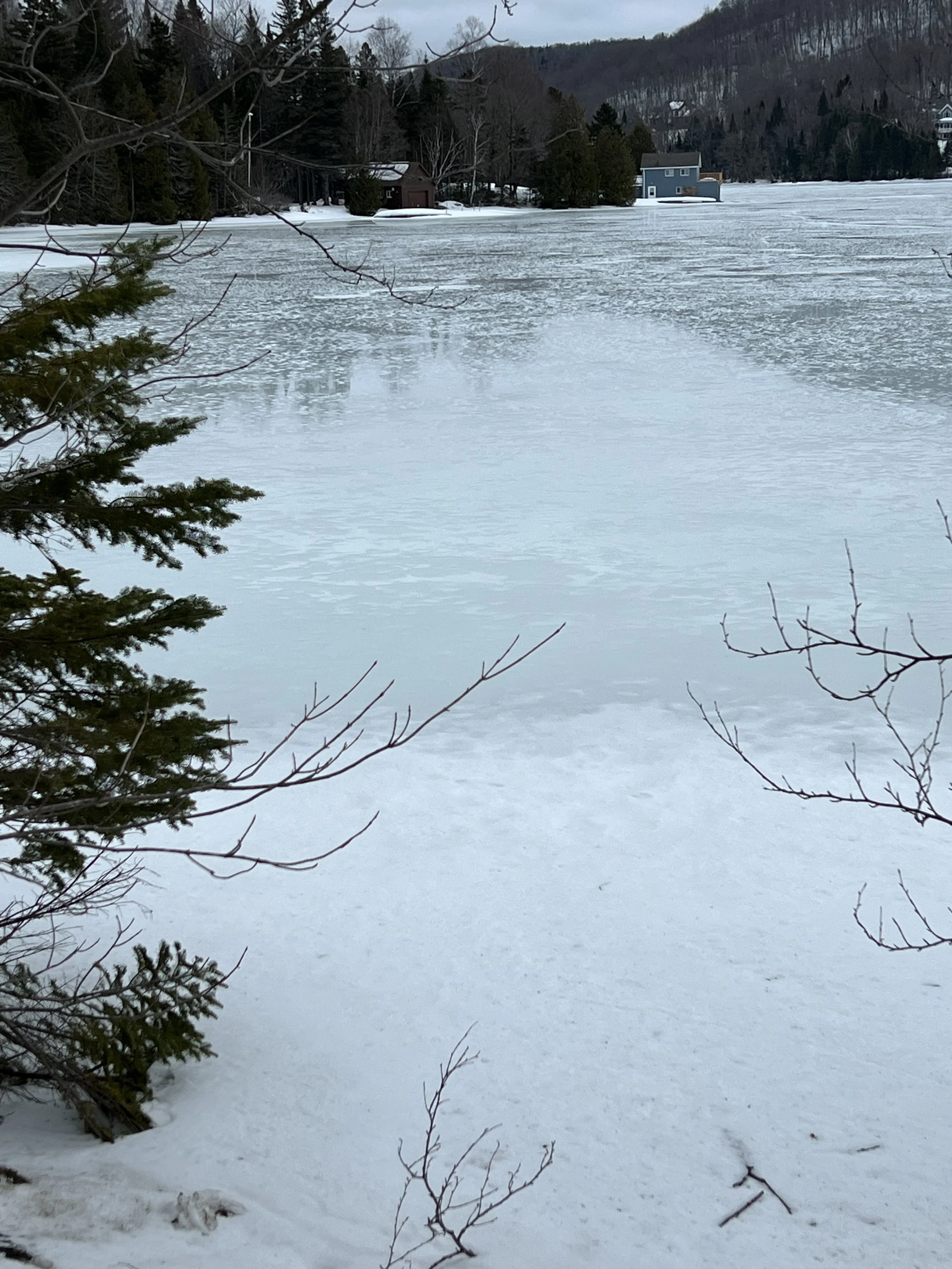
Every spring around the end of April, or beginning of May, the ice on lac Manitou breaks up and melts. At this point in the yearly cycle, the water temperature at every water level is nearly the same. From the surface to the deepest depths, the water is coold!!
Through spring and summer, the sun warms the surface waters making them warmer and lighter.
By summer, separate and distinct warm and cold layers form with the thermocline in between. Warm water forms at the surface, while colder, denser water remains near the bottom. Between them lies the thermocline transition zone where temperatures change rapidly. Because these layers do not mix very much, the deep, cold water becomes largely isolated from the atmosphere.
Sunlight isn’t the only thing that affects the surface layer of the lake. Oxygen plays an important role too. Water at the top of the lake collects oxygen from the air, wind and rain.
In spring, the waters of the freshly thawed lake collect oxygen. Wind moves the oxygen rich surface water, stirring and mixing it with water at deeper levels. This process is called Spring Turnover.
For many lakes, seasonal turnovers re-oxygenate even the deepest waters. Lac Manitou, as we’ll see in a minute, is an exception. Spring turnover brings oxygen to many of the deeper parts of our lake, but can’t reach all of the deepest waters.
Summer, Deep Water and Oxygen
Throughout the summer, fish, aquatic organisms, and bacteria consume oxygen. Near the surface, oxygen is continually replenished by contact with the air, rain and by aquatic plants and algae. But the deep cold water doesn’t get a lot of new oxygen. Oxygen levels in the deepest parts of the lake slowly decline through the warm weather.
Fall Turn Over
In autumn, cooler weather lowers the temperature of the surface water. The thermal difference between the upper and lower levels slowly disappears, along with the density differences. The wind can once again mix the lake from top to bottom, distributing oxygen throughout the water column. This process by which the deeper levels of the lake are re-oxygenated is called Fall Turnover.
For Manitou It’s Not That Simple
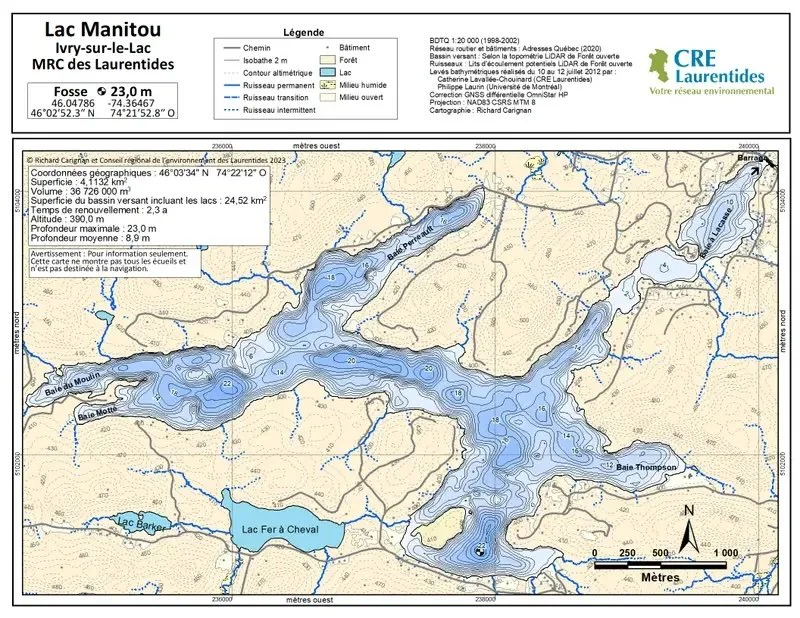
For many lakes, these spring and fall turnovers completely replenish oxygen levels in deep water. Lake Manitou is different. Our lake has a unique shape that includes long shallow bays and a deep central basin. Seasonal turnovers effectively oxygenate the bays. But the deepest parts of the central basin may not always get a full oxygen renewal.
Some of the deepest areas of lac Manitou can start the summer with oxygen levels that are lower than ideal.
And Then There’s Climate Change
Manitou’s unique shape isn’t the only factor contributing to diminishing oxygen levels. Climate change is expected to make these natural processes more pronounced. Warmer summers can strengthen thermal stratification and extend the period during which deep water is isolated from the atmosphere. Longer periods of isolation give oxygen levels more time to decline. At the same time, warmer water can increase biological activity, causing oxygen to be consumed more quickly. For Lac Manitou, which already has difficulty fully re-oxygenating its deepest waters, these changes may increase the risk of low-oxygen conditions in the future.
What Lower Oxygen Levels Mean to the Lake and its Residents
This seasonal pattern is a natural consequence of the lake's size, depth and shape. However, human activities that add nutrients to the lake can make the effects of low oxygen more significant.
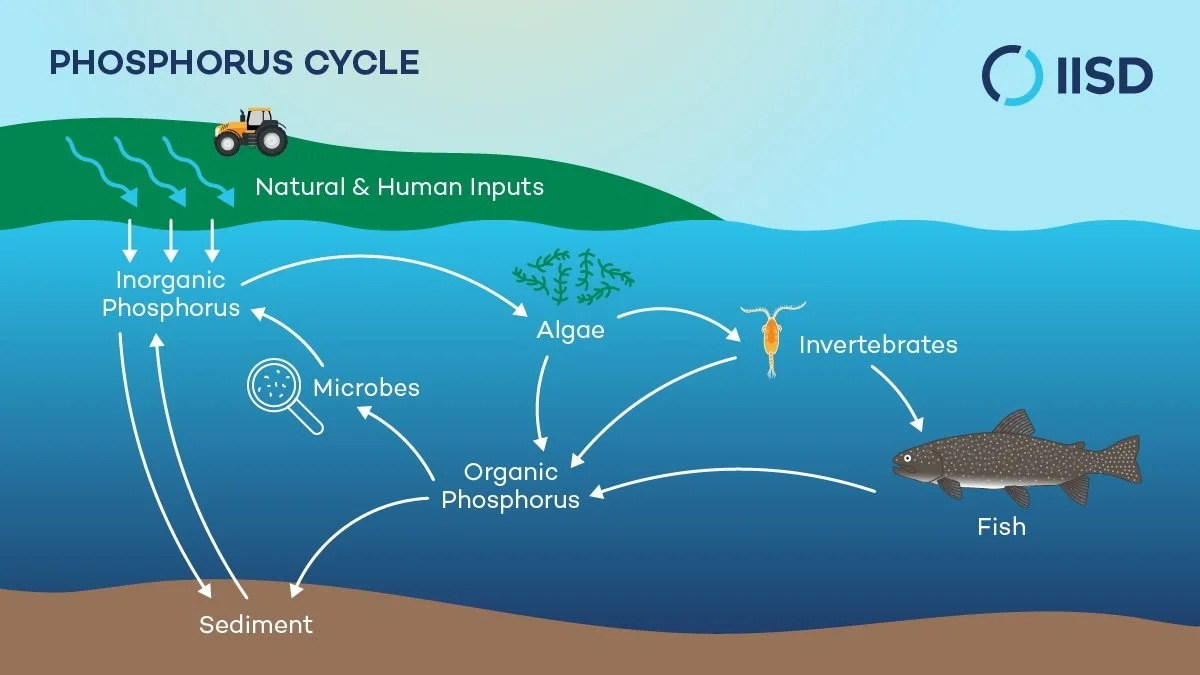
When deep-water oxygen runs out, phosphorus stored in lake sediments can be released back into the water.
Phosphorus in the water is like fertilizer for algae and aquatic plants. They start to grow faster and bigger. The plant life can interfere with boating, swimming and other recreational activities. Excess phosphorus can reduce water clarity and lead to a decline in water quality.
The good news is that monitoring data indicate Lake Manitou remains in good condition. However, its natural tendency toward low deep-water oxygen means the lake has less margin for error than some other lakes.
What can residents do?
Our lake is sensitive but it’s not in trouble yet. There a few simple things all of us can do to make sure we aren’t contributing to oxygen depletion in Manitou’s waters.
Do not use fertilizers that contain phosphorus
Keep your septic system in top condition and inspect it regularly.
Never use soaps, detergents or other cleaning products in the lake or near the shoreline.
Maintain natural shoreline vegetation.
See also How to Keep Our Lakes Clean.
How are we doing so far?
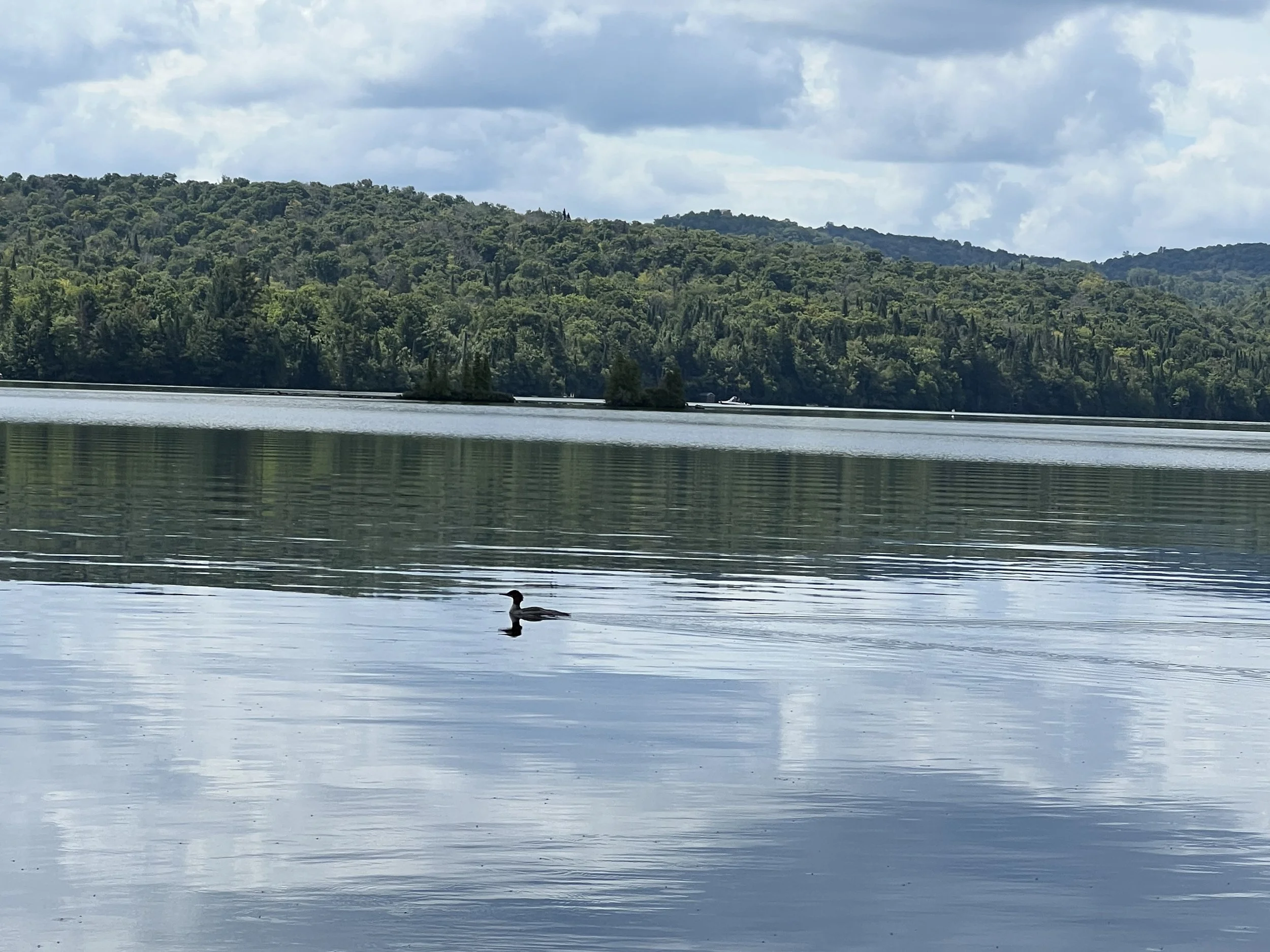
Thanks to the efforts of AALM and the residents of the lac Manitou region, our lake is exceptionally clear and clean. Despite a high level of recreational use, the Regional Council for the Laurentians Environment rates Manitou as exceptionally clear, low in algae and very low in nutrients — all markers of remarkably strong natural environment. But the Council also rates our lake as highly vulnerable.
Despite its excellent water quality, Lac Manitou's natural tendency toward low oxygen levels in its deepest waters means it is less resilient to additional nutrient inputs than many lakes. Protecting water quality today is the best way to preserve the lake's health as climate conditions continue to change.
For more on water quality in Lac Manitou, Lac de la Grise and Lac Fer-à-Cheval, review our archive of annual Water Quality reports: https://www.aalm.ca/en/water-quality